Regulating Connection: How Dr. Omar Al-Kalaa Bridges the Gap Between Telecom and Medical Innovation
From 5G networks to space station surgery, exploring the invisible infrastructure that makes modern healthcare possible

Remote surgery between continents. Glucose monitors competing with Netflix streams for wireless bandwidth. Surgical robots on the International Space Station.
None of this is science fiction, it's the cutting edge of medical technology that Dr. Omar Al-Kalaa has been working to make safe, effective, and accessible.
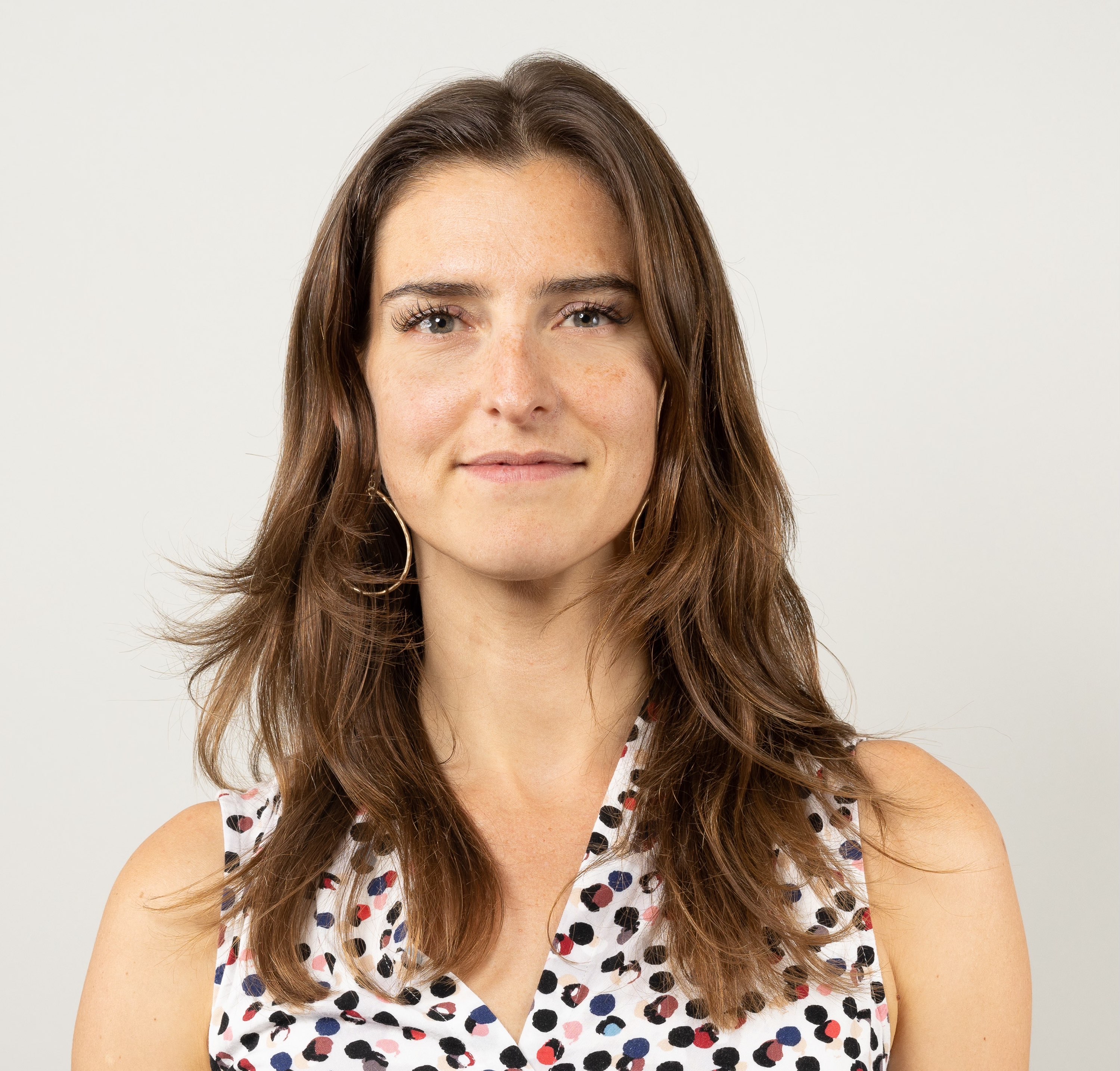
In this episode of Inside MedTech Innovation, I had the privilege of speaking with Omar about his 15-year journey through biomedical engineering, FDA regulatory science, and now independent consulting through his company, Inovectrum.
The Problem Most People Don't Know Exists
Omar opens with a stark reminder: "A medical device doesn't have to catch on fire for it to be problematic or to impact patient safety."
He's talking about wireless coexistence, the challenge that arises when your medical device uses the same unlicensed spectrum as your home WiFi, your neighbor's Bluetooth speaker, and your kids streaming videos. They all have equal rights to that spectrum, but the stakes are vastly different.
During his tenure at FDA's Office of Science and Engineering Labs, Omar pioneered evaluation methods to test how medical devices perform under these real-world conditions. It's not enough that a device can connect to a network, it needs to function reliably when that network is crowded, degraded, or under stress.
Future-Proofing the FDA
Omar describes his role at FDA as "future-proofing the agency", ensuring that when reviewers receive submissions for cutting-edge devices, they're prepared with the right questions and evaluation frameworks.
This pre-competitive research benefits everyone:
Large manufacturers get clearer pathways to approval
Startups gain access to evaluation methods they couldn't develop alone
Patients receive safer, more reliable connected devices
Reviewers can focus on meaningful questions instead of reinventing evaluation approaches
As Omar explains, "It's not charity when the government levels the playing field for competition and innovation in things that really matter."
Building Bridges: The 5G Working Group
One of Omar's proudest achievements was convening a 70+ stakeholder working group through the Medical Device Innovation Consortium to address 5G integration in healthcare.
The challenge wasn't technical, it was cultural. Telecom engineers and medical device manufacturers literally spoke different languages. They operated in different worlds with different priorities, risk tolerances, and regulatory frameworks.
Omar's role? Translation. Bridge-building. Creating space for AT&T to sit alongside medical device startups and FDA reviewers to identify not just use cases for 5G in healthcare, but the actual gaps preventing adoption.
The result: The "Landscape Analysis of 5G in Healthcare," which cut through the hype to identify concrete knowledge gaps and evaluation needs.
Why Telesurgery Isn't Everywhere (Yet)
The conversation takes a fascinating turn into remote surgery. Omar walks me through what would be needed for a surgeon in Texas to operate on a patient in a remote location:
Sensing data links (what the surgeon needs to feel)
Control data links (actuating the surgical robot)
Visual feeds (multiple cameras for depth perception)
Audio communication (coordinating with the local surgical team)
All of this exists today. The 2001 Lindbergh Operation demonstrated transatlantic telesurgery between the U.S. and France. Canada actively uses remote surgery to serve rural populations.
So why isn't this widespread in the U.S.? Omar points to regulatory complexity, liability questions, and, critically, the lack of alignment between stakeholders who each own a piece of the puzzle.
From FDA to Inovectrum: The Next Chapter
Now, through his company Inovectrum (Innovative Spectrum), Omar is making his expertise accessible to:
Medical device manufacturers navigating connectivity challenges
Telecom companies serving healthcare markets
Startups building "the black box that makes interoperability work"
His focus: Helping innovators access existing resources in ways FDA can easily understand and evaluate, accelerating the path from bold idea to patient care.
The Noble Work of Regulation
Throughout our conversation, Omar repeatedly returns to a theme: recognition.
Recognition for FDA reviewers working under tough conditions to protect patients. Recognition for medical device leaders taking on enormous business risks to innovate. Recognition for the invisible infrastructure work that makes breakthrough healthcare possible.
"You are keeping people safe. You are helping others," Omar says of his time at FDA. "It's a noble job."
Listen to the Full Episode
This conversation challenged me to think differently about connectivity, regulation, and the invisible systems that enable modern healthcare. Whether you're building medical devices, working in telecom, or simply curious about how innovation happens in highly regulated spaces, this episode offers rare insights from someone who's worked at the intersection of all these worlds.
Key Takeaways:
Wireless coexistence is a critical patient safety concern most people never consider
Pre-competitive regulatory research accelerates innovation for everyone
The technology for remote surgery exists, the challenge is stakeholder alignment
"It depends" is actually the most honest answer to most connectivity questions
Great regulation makes innovation faster, not slower
[Listen to the full episode here] This content was generated by AI from the original podcast discussion between Shannon and Omar on the Inside MedTech Innovation podcast. Listen to the full conversation [here].
About Inside MedTech Innovation: Hosted by Shannon Lantzy, Inside MedTech Innovation explores how great regulation leads to better business and better health. Each episode features deep conversations with the engineers, regulators, and entrepreneurs shaping the future of medical technology.


